Toe Pain: Why Walking Becomes Uncomfortable
If your toe pain persists or limits your activities, a podiatric evaluation can help better understand the situation and identify appropriate solutions.

If your toe pain persists or limits your activities, a podiatric evaluation can help better understand the situation and identify appropriate solutions.
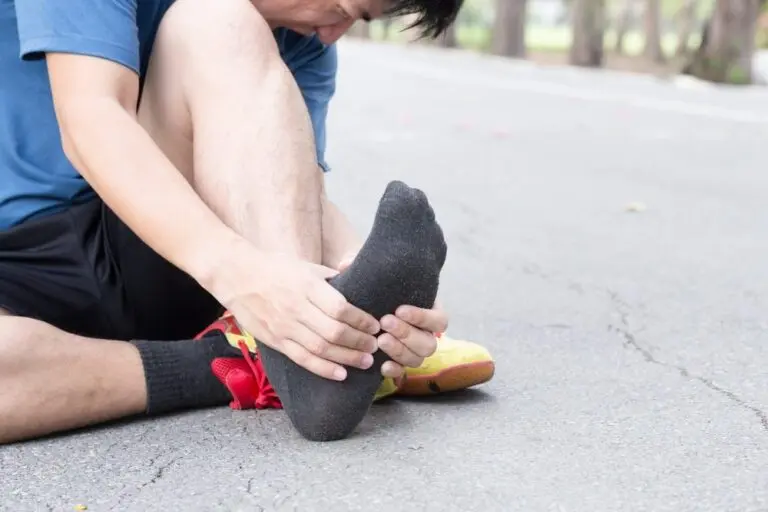
Plantar fasciitis is a common foot condition. A strain or break in the plantar fascia, the fibrous band that supports the arch of the foot, is at the root of this condition. Heel discomfort is the most prominent sign of this condition. It will be felt from the first steps in the morning or after…

Suffering from foot, ankle, leg, hip and/or lower back pain? Did you know that this type of pain is often related to unbalanced feet and legs? Foot pain Foot pain is very common, and often localized in the heel. The most common heel pain is plantar fasciitis. The forefoot is also often a source of…
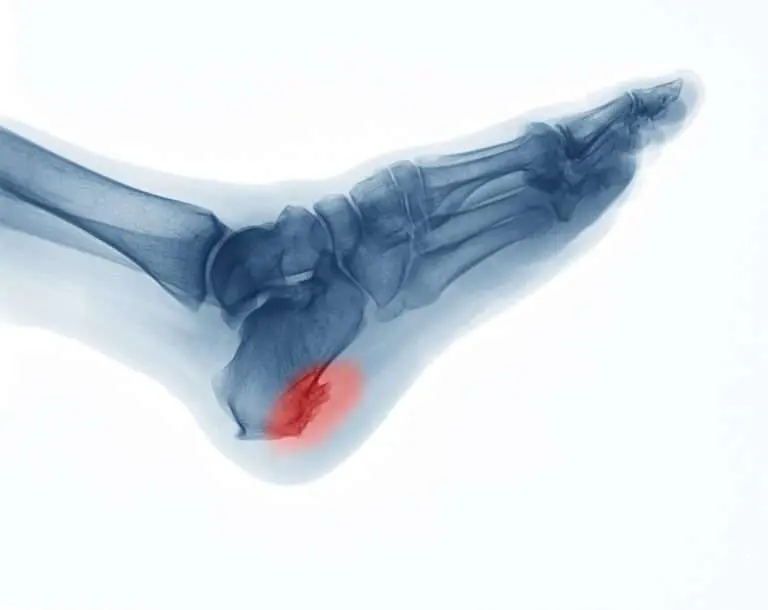
When you place your foot on the ground, do you feel discomfort beneath your heel? Seeing as calcification under the calcaneus is quite common, Lenoir's thorn might be the disease that affects you. The heel spur, known as Lenoir's thorn, is a bony protrusion on the inside of your heel. This anatomical structure can be…
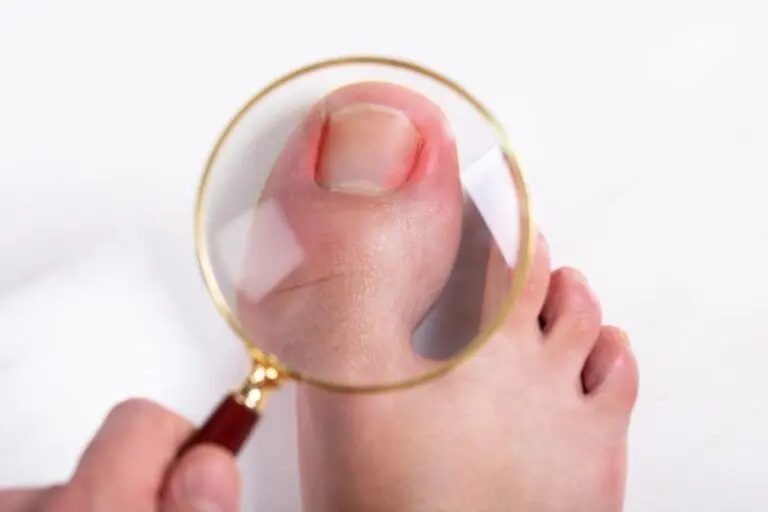
Ingrown toenails are a frequent nail issue that can be extremely painful and even incapacitating. It's identified by a toenail that grows into the flesh and punctures it. Ingrown toenails cause irritation and, in the worst-case scenario, infection, resulting in painful toes. As a result, it is critical to address the problem as soon as…
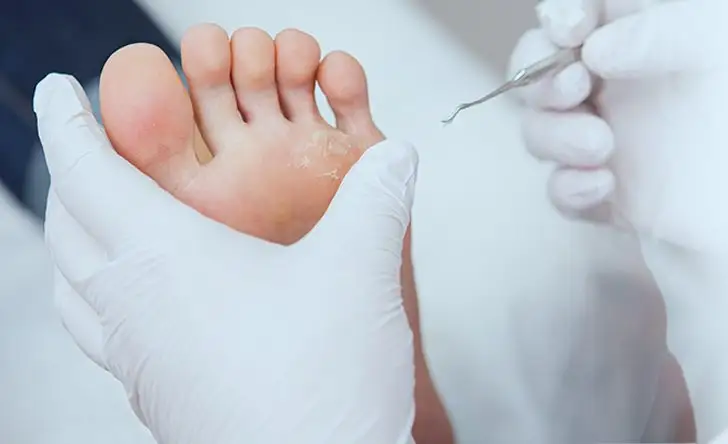
Corns, calluses and severe corns are formations of dead flesh under the feet. They can be embarrassing for people when they walk or exercise. Often, people with delicate feet tend to suffer more. However, this foot problem is easily treated. Corns, calluses, severe corns: how do they differ? It is common for an individual to…

Diabetic foot develops as a result of the neuropathy that comes with poorly managed diabetes. When blood sugar levels are excessively high for an extended length of time, it impairs a person's neurological system. The injury results in a lack of sensation in the lower limbs, among other things. Peripheral neuropathy is the medical term…

Lower back pain (also known as lumbago) is becoming increasingly common. According to the National Institute of Neurological Disorders and Strokes (NIH), roughly 4 out of 5 people will suffer low back pain at some point in their lives. It is also one of the world's major causes of stopping work. Low back discomfort affects…
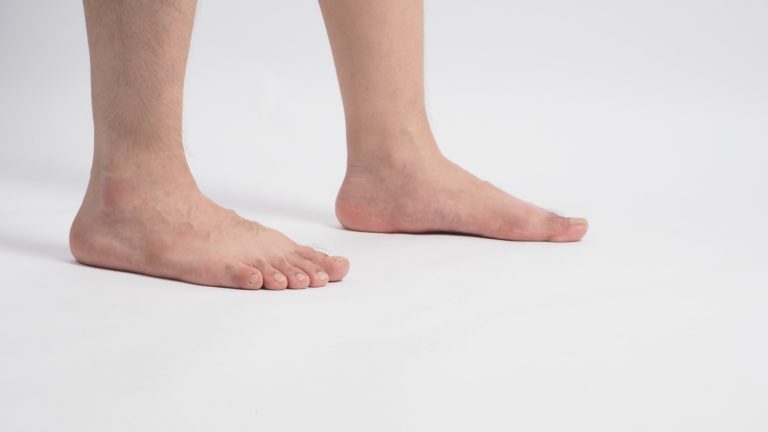
Is there little or no curve in your foot arch? Do you get foot or joint discomfort when you stand? Flatfoot might be to blame for these problems. Flatfoot is the collapse of the arch of the foot, as the term implies. Flatfoot is most visible when standing or walking, and it can cause serious…
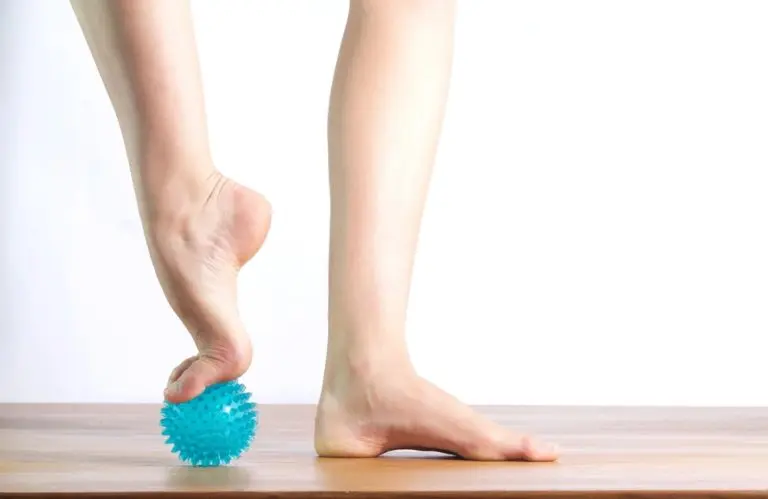
Unlike the flat foot, which is intended to be supple and flattened, cavus foot is excessively arched and rigid. This foot problem is characterized by a pronounced curvature from the top of the secondary foot to the plantar arch that is very high. It is also possible to observe a tightening between the heel and…

Bad blood flow from the lower limbs to the heart is the result of venous insufficiency in the legs. Such a circulatory condition may be dangerous to one's well being if not treated properly, and it may also become chronic. Venous insufficiency causes major functional complications even though it is not painful at first. Knowing…

When the foot is exposed to a succession of microtraumas or a sudden severe shock, it results in subluxation, or the cuboid syndrome. Many sportsmen and dancers suffer from cuboid subluxation because of the circumstances in which it develops. Because the symptoms of cuboid syndrome can be quite similar to those of other plantar diseases,…
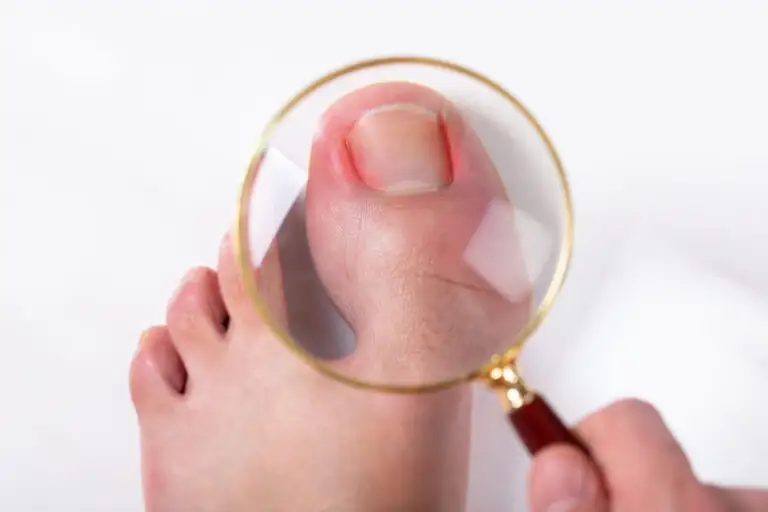
Toenail paronychia is a bacterial infection that produces stabbing pain and pus buildup near the toenail. Acute paronychia is caused by a bacterial infection, like staphylococcus aureus or streptococcus, while chronic paronychia develops slowly as a result of the candida bacteria. In the case of acute paronychia, it should be treated by a health care…

When the foot is twisted significantly inward or outward, it results in an ankle fracture. This injury not only produces severe pain, but it also has the potential to damage other important portions of the foot and leg. As a result, it frequently needs more comprehensive medical care. Let's look at the many forms of…

Muscle cramps are rather common and may occur for many reasons. Sudden involuntary contractions of one or more muscles is what constitutes a cramp as we know it. While short-lived, a muscle cramp generates significant pain, especially in the area of the calf. Although the contractions in these muscles are typically benign, it isn't always…

Joint wear and tear is commonly associated with aging, although it can also be caused by other factors. Joint degeneration is a complex process that can be impacted by a mix of reasons. However, when it comes to joint damage, a small set of pathologies account for the vast majority of instances recorded. Let's take…
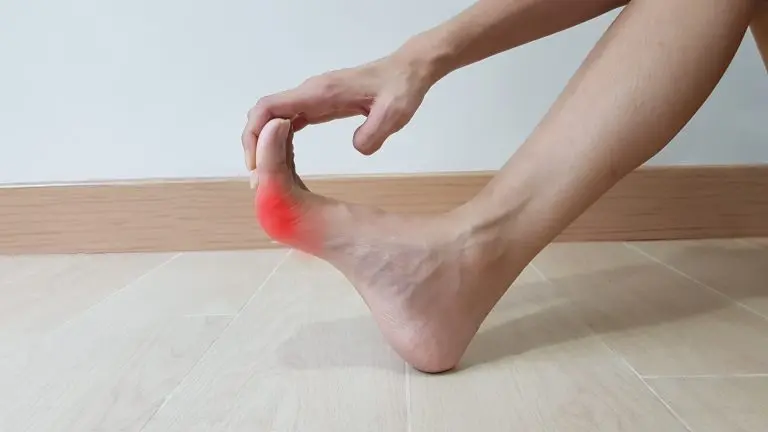
The inflammation of the sesamoid bones under the metatarsal head near the big toe is known as sesamoiditis. This plantar condition, which is more frequent among dancers and runners, produces discomfort and limits movement flexibility. Although sesamoiditis is relatively simple to cure on its own, it is critical to detect the warning symptoms before it…
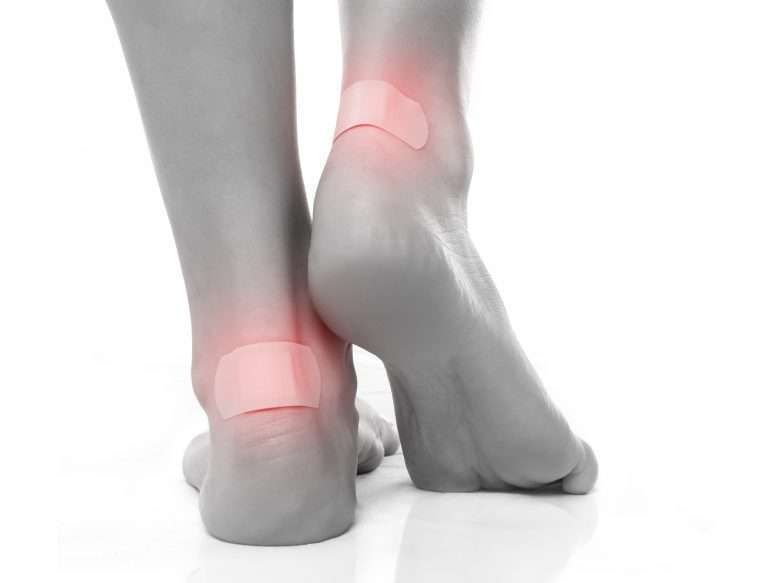
Blisters are a watery lesion that occurs when the skin of the foot is exposed to friction or irritating pressure. While it is common knowledge that wearing new shoes causes blisters, other factors can also influence the development of blisters. Let's learn about the symptoms, causes, and treatments for persistent foot blisters. Blister symptoms When…
Normally, the big toe has a limited range of motion. However, a joint obstruction can occasionally induce knee discomfort, heel pain, and ankle sprains. This is known as hallux limitus. Without therapy, functional hallux limitus can progress to hallux rigidus, a potentially crippling type of big toe osteoarthritis. Learn about the symptoms, causes, and treatments…

A painful compression of the tibial nerve is what characterizes a tarsal tunnel syndrome. The tibial nerve extends from the back of the calf to the heel and sole of the foot and is encased in the tarsal tunnel, a fibrous canal. When the tissues around this canal become inflamed, they might expand and compress…