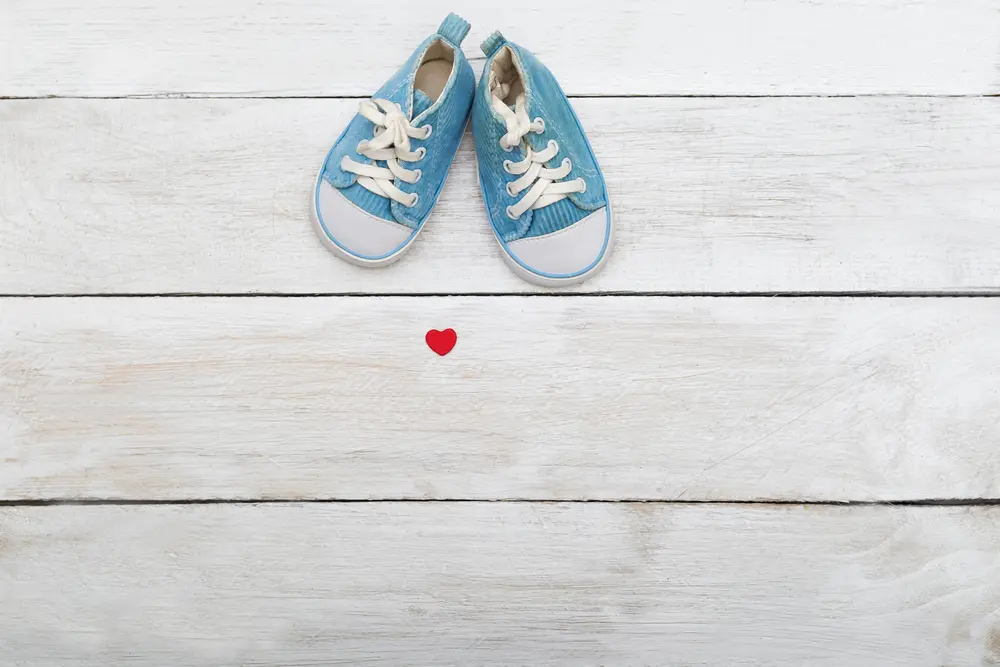
Choosing the right baby shoes is essential to ensure comfort and proper foot development during the first years of life. Between rapid growth and learning to walk, several elements must be considered.
Here Are the Important Criteria to Consider When Buying Baby Shoes.
Choosing the Right Size for Baby Shoes
To determine a baby’s shoe size, use a foot measuring device or trace the outline of their little feet on a piece of paper before measuring. When you have determined your child’s shoe size, always choose the larger size if it falls between two sizes. Additionally, if the shoe’s insole is easy to remove, use it to check if there is enough space between the tip of the insole and the child’s toes. Normally, a space equivalent to the width of a thumb is sufficient. A proper size is essential for well-fitting first-step shoes for baby.
Which Type of Fastening to Prefer for Baby
For the first months of your child’s walking learning, preferably opt for laces. Lace-up baby shoes offer better support, hold better on the feet, and conform better to their shape.
Which Sole to Choose for Baby Shoes
For babies who are not yet walking, small soft leather slippers will suffice to simply protect the feet. When your child takes their first steps, turn to models with soft but sturdy soles. The sole should have good heel support and bend at the toes. A sole that is too cushioned, like that of Crocs, could slow your child’s progress.
Baby shoes by age: what to choose
0-6 months → soft slippers
6-12 months → flexible sole
12-24 months → more structured sole
Why Support Is Important for Baby Shoes
Proper fit is crucial to ensure your baby’s comfort in their shoes. Thus, ensure the chosen model keeps their feet well in place and that they do not slide forward inside the shoe when walking. This would make them unstable, increase the risk of falls, and could hamper their progress.
How to Choose the Right Baby Shoes According to Age
This question is difficult to answer because each brand offers baby shoe models with different characteristics depending on the price. So, when shopping, keep in mind the criteria presented above and pay particular attention to the following features:
- Soft leather shoes with a light rubber sole offer more flexibility and are recommended for indoor use for a child without foot pathology.
- Lightweight models will facilitate baby’s movements.
- Baby’s arch should conform well to the insole of the shoe, the heel must be well supported at the back, and the front of the foot should be free.
The shoe model must be sturdy enough to absorb shocks during outdoor walks on surfaces like concrete and asphalt.
Frequently Asked Questions About Baby Shoes
At What Age Should a Baby Wear Shoes?
A baby does not need shoes before walking outdoors. Indoors, walking barefoot or in socks allows better foot development.
How Often Should Baby Shoes Be Changed?
Babies’ feet grow quickly. It is recommended to check their shoe size every 2 to 3 months to avoid shoes becoming too small.
Do Shoes Affect Learning to Walk?
Shoes do not teach walking, but they protect the foot. A well-fitting model can, however, help the child feel more stable.
Should Certain Materials Be Favored for Baby Shoes?
Soft and breathable materials, like leather, are often preferred. They help limit moisture and ensure better comfort.
Finally, know that a baby who does not walk does not need to wear shoes and that when they begin to move standing up, it is not necessary for them to constantly wear shoes. Let their feet explore different ground textures such as grass, sand, and soil, and instead use shoes to protect them and get them used to wearing them! Often, wearing shoes will give babies confidence and encourage them to take a few steps indoors.
If you have questions about buying shoes for baby or about your child’s foot development, do not hesitate to consult a podiatrist!
They will evaluate your child’s foot and guide you to the best shoe for them.