Molecular analysis for diagnosing onychomycosis - PiedRéseau Boisbriand
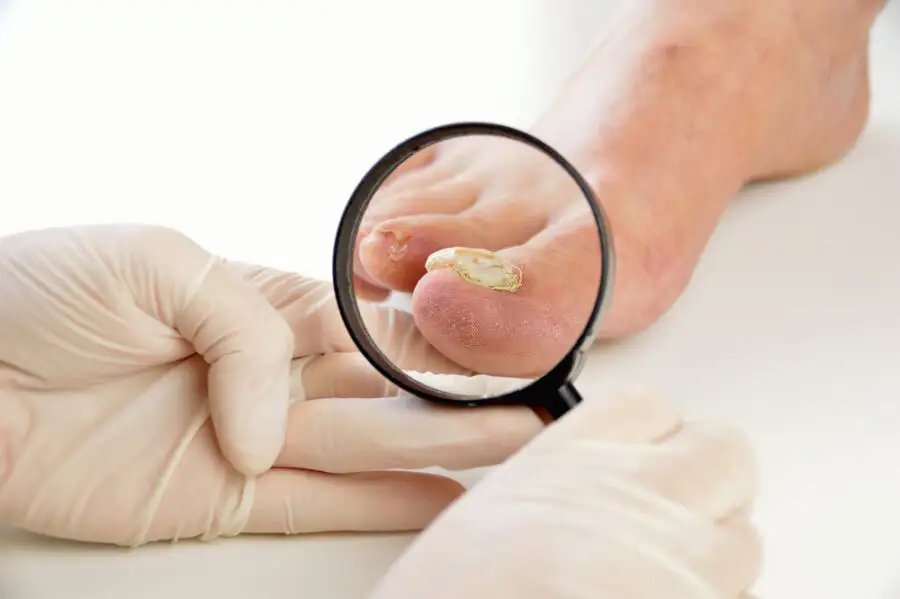
At PiedRéseau Boisbriand, located in the heart of the Laurentides region, we offer specialized molecular analysis for diagnosing onychomycosis. This service is designed to be easily accessible for local patients seeking reliable and accurate assessments for nail infections. We understand the unique healthcare needs of our community and are committed to providing personalized care that caters to the concerns of our patients in the Laurentides.
Molecular analysis is a state-of-the-art diagnostic tool used to identify fungal infections affecting the nails. This service is particularly beneficial for patients experiencing persistent nail discoloration, thickening, or discomfort. By accurately diagnosing onychomycosis, our approach can guide effective treatment options, ensuring that patients receive the appropriate care tailored to their specific condition, without making any medical guarantees.
Choosing PiedRéseau Boisbriand means opting for a compassionate and professional environment. Our dedicated team is committed to providing a thorough evaluation and ongoing support throughout your treatment journey. With our expertise in dermatological care, we ensure that each patient receives individualized attention and follow-up, fostering a reassuring atmosphere conducive to healing and recovery.